Habit Stacking: Small Changes That Lead to Real Results

Every January starts the same way. Big goals, good intentions, and a brief period where everyone believes this is the year it all changes. Then life gets busy, motivation dips, and those carefully planned resolutions quietly disappear. So instead of asking you to try harder, I’m going to teach you about ‘habit stacking’, so you can commit to your New Years Resolutions with far less effort!

Why Most Habits Don’t Stick

We all know habits are hard to make and easy to break. Most health goals require extra time, extra effort, and extra motivation. Unfortunately those three things aren’t in unlimited supply. It is a challenge fitting new routines into days that already feel full. Habit stacking solves this by working with your existing routine, not against it.

What is Habit Stacking?

Habit stacking means adding a new healthy habit onto something you already do regularly. Rather than relying on memory or willpower, you use part of your daily routine as a “cue” — making the habit far more likely to stick.

Think about how your day already runs. You wake up, brush your teeth, make a cup of tea, eat meals, sit down at work, collapse onto the sofa in the evening. None of these require motivation, they just happen. Habit stacking uses these moments as opportunities for healthier behaviour. In summary:
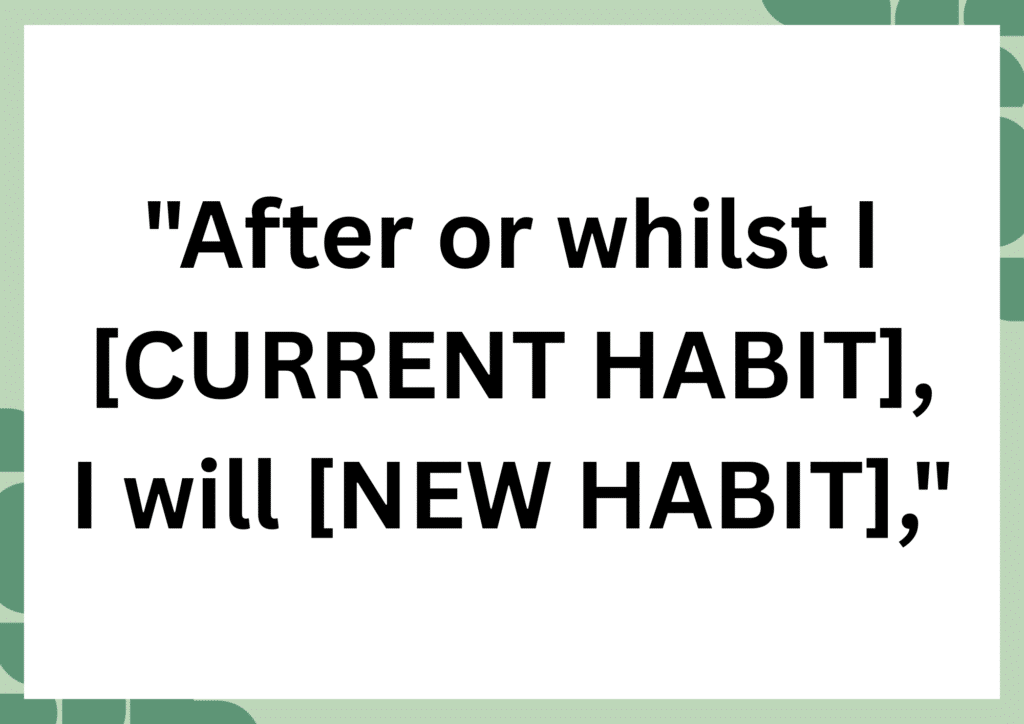
How to Start Habit Stacking

First, decide what new habit you would like to build. Keep it as small and specific as possible. Here are some examples.

“After I clean my teeth, I will take my supplements.”

“After I work for 1 hour, I will do 10 squats.”

“While the kettle is boiling, I will put on my trainers so I can then go for a walk with my flask.”

You may also prefer to use visual cues to support habit stacking. For example, putting floss next to your toothbrush makes it harder to forget flossing. Folding your gym clothes on the bed in the morning can prompt you once home from work to get changed and go straight to the gym.

It’s also worth choosing a calmer time in your day. For instance if mornings feel rushed, stack your habit in the afternoon or evening. You can adjust your habit stack to suit any daily routine changes or goal changes.
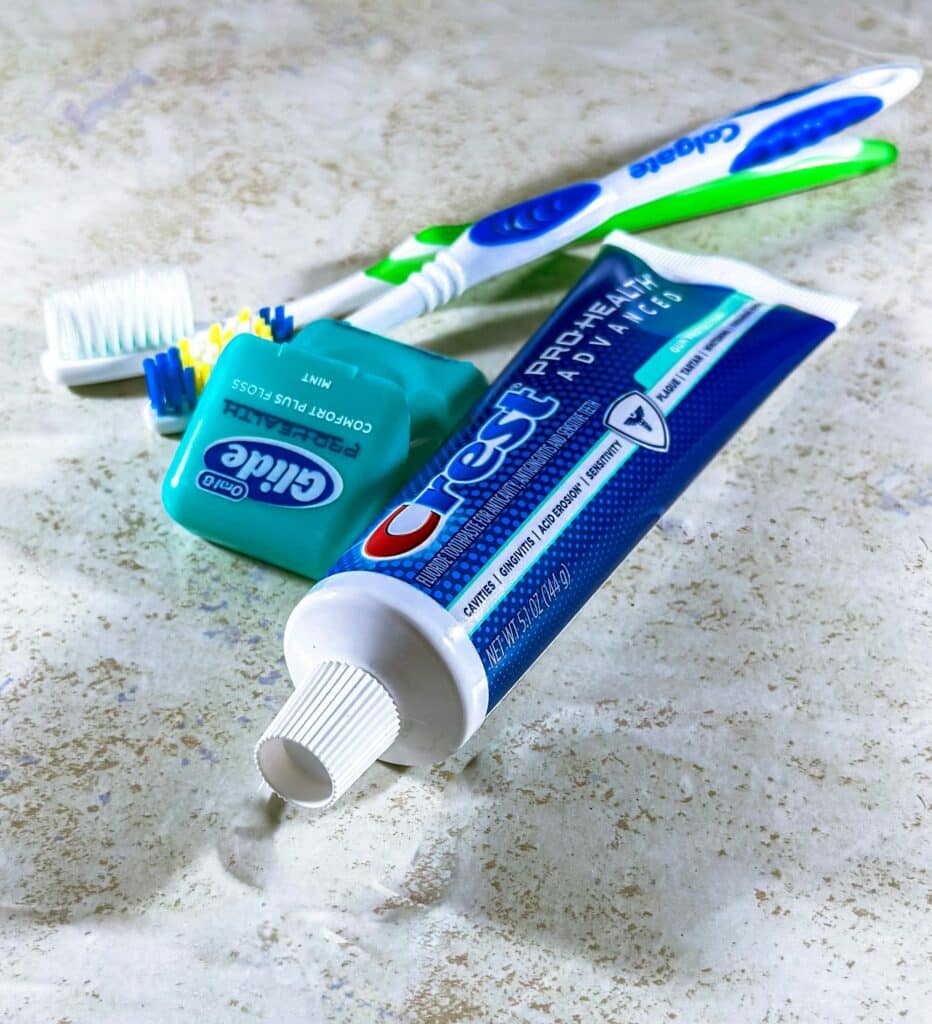
Visual cue for flossing

The Key: Consistency and Small, Specific Goals

If you take one thing from this, let it be this: small habits done often beat big plans done occasionally. For this New Year, choose one small habit that would genuinely help your health, attach it to something you already do regularly, and let the routine do the work.

Be kind to yourself – habits take time. But once it’s established, it’s far more likely to last. And that’s how small changes lead to real results.

PS: Incase you missed it – Learn these 3 breathing techniques to bring calm to your day.

Created Tuesday 16th December 2025
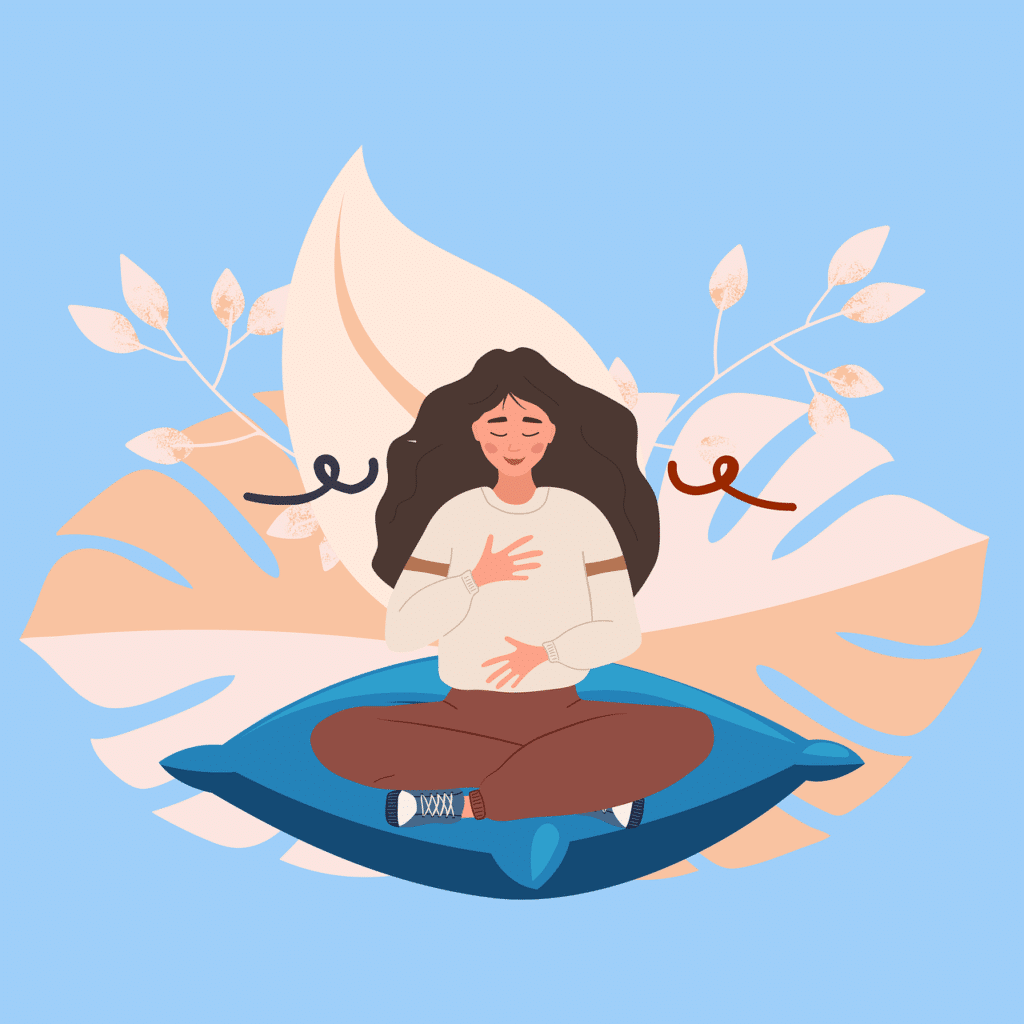
Breathe Better: 3 Easy Breathing Techniques to Bring Calm to Your Busy Day

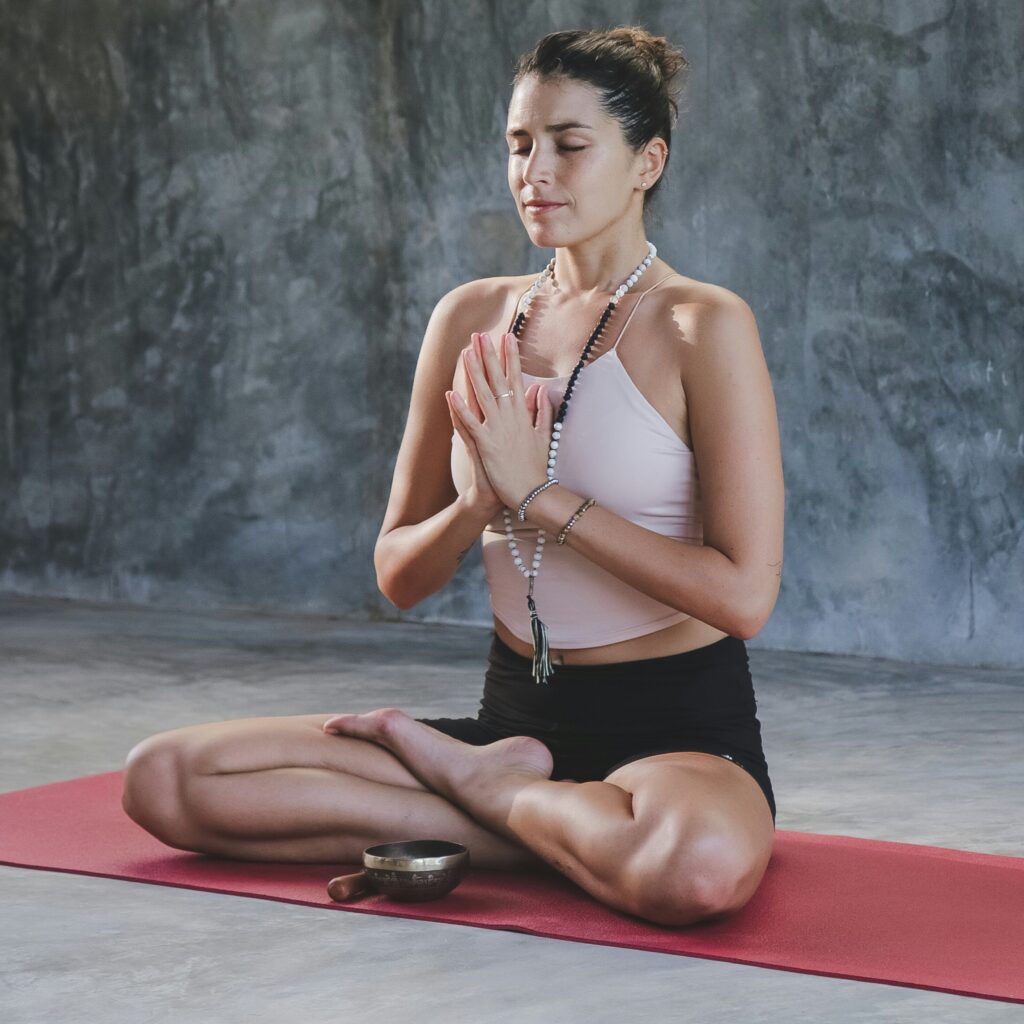
It’s easy for the day to gather pace — plans, work, expectations, and the need to stay on top of everything. Without realising it, our body starts running in stress mode. However, by simply taking a few moments to reconnect with your breath, it can shift you into a calmer, supported and focused state. This article is here to guide you on why breathing efficiently is important, with 3 simple breathing techniques you can try to help you achieve this.

What Is “Good” Breathing?

We breathe all day without thinking, but how we breathe changes depending on how we feel. When we’re stressed or rushing around, our breath can become shallower and higher into the chest. This can tighten the neck, shoulders and back, and signals to the nervous system that we need to stay alert.

“Good” breathing uses the diaphragm more efficiently, as it’s the main breathing muscle located beneath the lungs. When it’s working well, the abdomen and lower ribs gently expand as we breathe in, and soften as we breathe out. This improves the amount of air moving in and out of our lungs, helping the breath become steadier and deeper.

Efficient breathing also stimulates the nervous system to ‘relax’. (see my previous article on the vagus nerve). When we’re relaxed, our heart rate becomes steadier and blood pressure lowers. Breathing efficiently with our diaphragm reduces overuse of the muscles in our neck, shoulders and upper back, which can ease tension in these areas. Because the diaphragm attaches on our lower ribs, core and mid-low spine, using it more efficiently can improve our stability and control.

Finally, breathing gives us an opportunity to focus on the present moment. Practicing regular breath-work helps us become less reactive, regulate our emotions, and feel less overwhelmed.

How can I breathe more efficiently?

The first step is to understand how you currently breathe. You should review this regularly so you can monitor changes over time. There are 2 main movements for the ribs: ‘pump handle’ movements (up and down’), and ‘bucket handle’ movements (sideways expansion/contraction). The following exercises cover both movements.

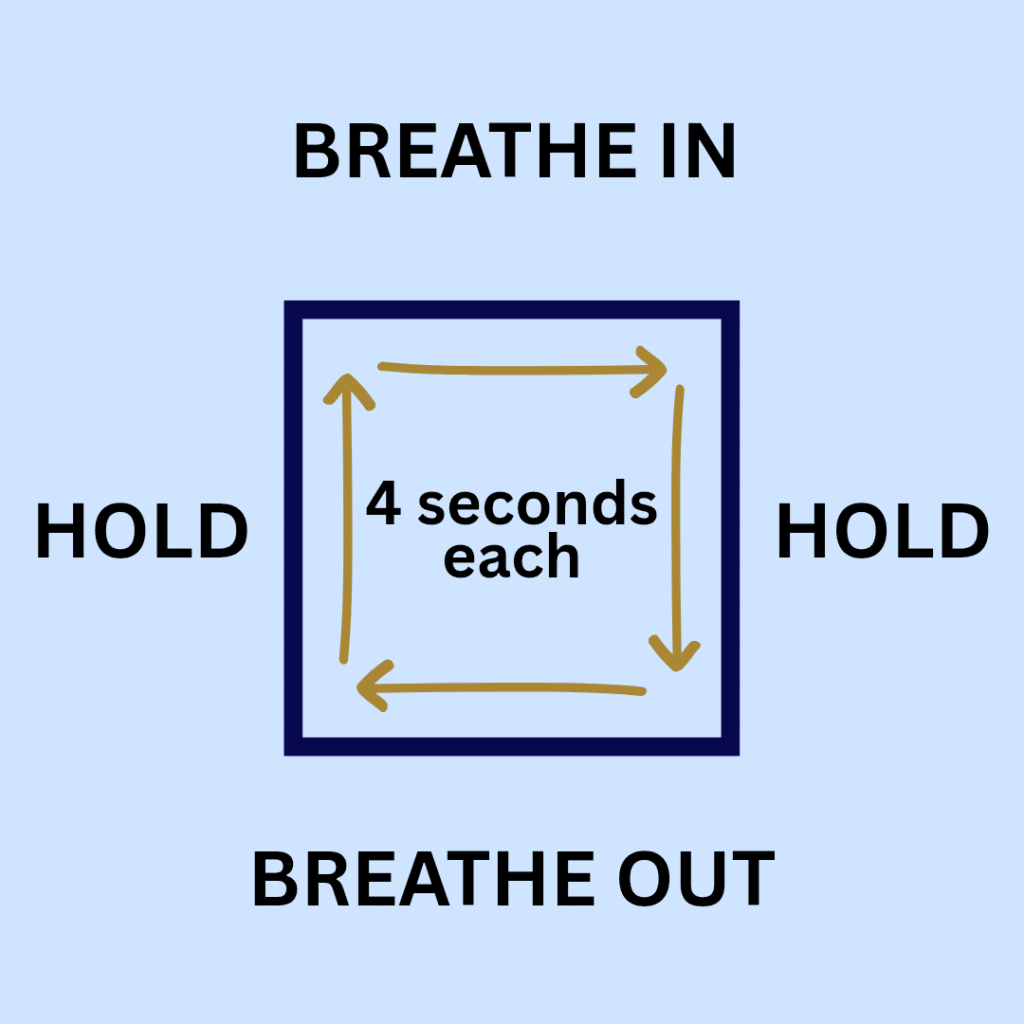
Once you are comfortable understanding how you breathe, you can try the box breathing technique to help you feel calm and ‘reset’.

Breathing Awareness Exercises

1. Upper Chest vs Abdominal Breathing

Step 1 — Monitor

  1. Place one hand on your upper chest and the other on your abdomen.
  2. Let your shoulders stay relaxed throughout.
  3. Breathe in slowly through your nose.
  4. Notice which hand moves more — the chest or the abdomen.
  5. Exhale gently.

Repeat for five breaths without changing anything yet.

Step 2 — Diaphragmatic Breathing

  1. Keep your hands where they are.
  2. As you inhale, allow the abdomen to expand a little further under your lower hand.
  3. Try to keep the chest and shoulders relaxed.
  4. Exhale and let the abdomen soften.

Repeat for five slow breaths, aiming for smooth, rather than forced, movement.

2. Sideways Rib Expansion (Lower Rib Breathing)

  1. Place your hands around the sides of your lower ribs.
  2. Let your shoulders stay relaxed throughout.
  3. Inhale through your nose for a count of 4, feeling the ribs widen gently outward into your hands.
  4. Exhale for a count of 4–6, allowing the ribs to soften back in.
  5. Continue for five breaths.

We’re looking for outward expansion rather than the breath lifting into the chest or shoulders.

3. Box Breathing

  • Sit upright and allow your shoulders to relax.
  • Breathe in through your nose for 4.
  • Hold for 4.
  • Exhale for 4.
  • Hold for 4 at the end of the exhale.
  • Repeat for 4–8 cycles.

TOP TIP: Move at a pace that feels steady, never strained. If you need to shorten the holds or lengthen your exhale that is okay. The goal is relaxation, not perfection.

Allowing yourself a minute of calmness improves productivity

So next time you’re rushing around, remember the importance of allowing yourself to have 1-2 minutes of mindful breathing can make you feel calmer and more focused. By giving ourselves that time to reconnect with our breath, we’re not trying to escape stress — we’re simply giving the body the space to move through it with calmness, comfort and clarity.

In case you missed it my last article: Strength training doesn’t have to be scary: 5 simple exercises to build strength and confidence

Created 14/11/2025

Strength Training Doesn’t Have to Be Scary! 5 Simple Exercises to Build Confidence & Energy

When you hear the words “strength training”, do you picture heavy barbells, crowded gyms, or workouts that feel way too intense? For many beginners, especially if you’re managing health challenges, exercise can feel intimidating. But here’s the truth: strength training doesn’t have to be scary at all! In fact, with just a chair, a wall, and a couple of soup cans, you can start building strength in a safe and simple way, all in the comfort of your own home.

Why is strength training so important?

Strength training is important for EVERYONE, even those who are inactive and have reduced mobility. Doing achievable strength exercises consistently can:

  • Makes everyday tasks easier. E.g. standing up, climbing stairs, or carrying groceries
  • Improve your balance and reduce fall risk. This is important as we get older to reduce our risk of fractures.
  • Improves arthritic pain by strengthening muscles that support your joints.
  • Reduce back pain. Strengthening your back, abdominal and leg muscles reduces strain on your spine.
  • Support weight management – strength training improves metabolic rate which means you burn more calories efficiently.
  • When combined with regular aerobic exercise (like walking), it also boosts your mental and emotional health.


5 Beginner-Friendly Strength Exercises 

All you need: a sturdy chair, a wall, and light weights (bottles or soup cans). Start with 1 set of 8–12 repetitions, 2–3 times a week. As you get stronger, work up to 3 sets, 3–4 times weekly. Rest 30 seconds between sets.


1. Sit-to-Stands (Legs & Glutes)

  • Sit upright on a sturdy chair, feet flat on the floor.
  • Cross arms in front of your chest.
  • Press through your heels to stand up tall.
  • Slowly lower back down to the chair.
  • Intermediate version: When going from sit-to-stand, keep majority of your weight in your stance-side leg, but use your other foot to ‘kick-off’ to help you push off and rise to standing.
  • Advanced version: One leg sit-to stands – keep one foot off the floor at all times. Make sure you come back down slowly, and maintain good hip, knee and ankle alignment

Why it matters: This move makes standing up from a chair, couch, or car much easier in daily life.


2. Wall Push-Ups (Chest, Shoulders, Arms, core, upper back and lower back)

  • Stand facing a wall, arms extended at shoulder height.
  • Place palms on the wall and step back slightly.
  • Bend elbows at a 45 degree angle to bring your chest toward the wall.
  • Push away to return to standing tall.
  • Spine stays neutral, hips don’t dip forward
  • Easier = Feet closer to the wall Intermediate = Feet further away from the wall. 

Why it matters: Makes lifting groceries and opening heavier doors a lot easier.


3. Weighted side-bends (abdominals and lower back)

  • Stand upright with your light weights in each hand. Feet hip-width apart.
  • Keeping your back straight and abdominal muscles engaged, bend at your waist down one side, lowering the weight down towards your knee.
  • Then with control bring your body back up to the starting position, this is one rep.
  • Repeat all steps on one side before repeating on the other side.

Why it matters: It helps to improve the stability of our spine and your balance.


4. Heel Raises (Calves & Balance)

  • Stand tall behind a sturdy chair, holding the backrest lightly for support.
  • Keep feet about hip-width apart.
  • Slowly rise up onto your toes, lifting your heels as high as possible.
  • Lower back down with control.
  • Intermediate: One-legged heel raises whilst holding onto back of chair.
  • Advanced: One-legged heel raises whilst holding onto light weights.

Why it matters: Building calf strength and helps with balance and coordination, which is important for walking and fall prevention.


5. Bicep Curls with Bottles/Cans (Arms)

  • Hold a bottle or can in each hand, arms down at your sides, palms facing forward.
  • Slowly curl one of the weights towards the same-sided shoulder.
  • Keep your elbows near your waist and engage your abdominal muscles to prevent your back from moving.
  • Lower the weight back down with control.
  • Repeat the same movement with the opposite arm.
  • This is one repetition

Why it matters: Strengthening arms helps make lifting, carrying, and reaching easier.


Your Strength is Your Freedom

These moves might look small, but they make a big difference. Each rep is an investment in your independence, energy, and confidence.

So the next time strength training feels intimidating, remember—it’s not about lifting heavy weights. It’s about lifting yourself up to live more freely and effortlessly.

PS If you’re struggling to stay active this autumn, then you need to read my previous article! Click here.

Struggle to Stay Active When It’s Dark and Cold? I’ve Been There — Here’s How I Keep Moving

I get it. On a drizzly autumn day, motivation to exercise can be at an all-time low. I’d much rather curl up on the sofa with a hot chocolate and my cat! But staying active in the colder months is vital for boosting energy levels and supporting mental health. Here I’ll share the strategies that work for me — so they can help you too.

1. Find Your ‘Why’

If we don’t know why we want to exercise, it’s hard to stay motivated. And I don’t mean vague goals like “keeping fit” or “losing weight.” Instead, focus on the positive feelings you get from moving your body.

For me, it lifts my energy and reduces stress. For others, it might sharpen focus at work or provide a chance to socialise and make new friends.

When you’re lacking motivation, remind yourself of the immediate benefits exercise brings — and let that motivate and drive you forward.

2. Check Your Schedule

Our bodies like a variety of stretching, strengthening and cardio type exercises, BUT life is busy, and fitting in exercise can feel impossible. But often, there are hidden opportunities. Look through your diary: do you have five spare minutes here and there?

If not, sneak in movement while waiting for the kettle to boil or during TV adverts. Try “power breaks” at work, a short YouTube yoga session with the kids, or even a kitchen dance party!

Be kind to yourself — you don’t need the gym five times a week. So if you can fit in small, regular bursts of movement, it will soon add up.

Checking schedule

3. Build Healthier Habits

Little tweaks to your daily routine can make a big difference. Take the stairs instead of the lift, or park a few minutes further from work to increase your step count. These simple shifts gradually raise your activity levels without much extra effort.

4. Make the Most of Seasonal Nutrition

It is important to fuel our bodies well to give us the energy to exercise. Thankfully, autumn is packed with nourishing, energy-sustaining foods!

  • Pumpkins and squashes: complex carbs that release energy slowly, perfect for steady activity.
  • Leafy greens like kale and spinach: rich in iron and magnesium to support muscle recovery.

My tip: batch-cook soups and stews, then freeze them. That way, you’ll always have a wholesome meal ready even on those busy days!

Squash soup

5. Mix Indoor and Outdoor Workouts

Colder mornings don’t mean you’re stuck indoors. Often, it warms up by early afternoon, which can be ideal for a lunchtime walk or run. I actually prefer exercising when it’s cooler!

Those indoor workouts, home routines, or exercise classes are perfect for those wet and windy days!

6. Find an Accountability Partner

Do you know someone else keen to keep fit? And do you remember what I discussed in step 1? Share your “why” with each other, and use that to stay on track together. Motivation is stronger when you’re not going it alone.

Two friends doing yoga together

7. Seek Professional Advice if Injured

If an injury is holding you back, don’t ignore it. Seek professional guidance (and treatment, if needed) so you can safely return to activity with confidence.

Final Thoughts

These are the approaches that work for me, don’t worry – they don’t have to be tackled all at once. Remember that evenadding small movements throughout the day makes a big difference to a healthier, active lifestyle, and that’s something to celebrate! 

I’d love to hear how you get on! Drop me an email at info@josteopathy.com. And if you’re struggling with aches or pains, you can book an osteopathy appointment here.

PS: Do you suffer from Gut Issues, Tension or Low Mood? If so click here to read my previous article.

“Gut Issues, Tension, Low Mood? It Could Be Linked To Your Vagus Nerve — Here’s What You Can Do About It”

Have you ever felt anxious, bloated, dizzy, or just constantly “on edge” — but couldn’t quite figure out why?

At JOsteopathy we often see people experiencing a mix of symptoms alongside their muscle or joint pain. The most common are reflux, poor digestion, light-headedness, headaches, low mood, fatigue and feeling anxious, of which many who have had all the relevant medical testing which has come back as ‘normal’.

However, there is potentially an answer – it could be linked to your vagus nerve.

But what IS the vagus nerve?!

You may have heard of the flight and fight response, driven by adrenaline. But there’s also the ‘rest and digest response’, part of the parasympathetic nervous system. The main nerve responsible for this the vagus nerve!

The vagus nerve is one of our cranial nerves, running from the brainstem all the way down through the neck, chest, heart, lungs and gut! The vagus nerve plays a vital role in bodily functions, such as:

  • Digestion
  • Calming the nervous system
  • Slowing heart rate
  • Reducing inflammation

What happens if the vagus nerve isn’t activated properly?

As the vagus nerve affects so many bodily functions, dysfunction can show up in many ways. Common symptoms include:

  • Abdominal pain or bloating
  • Acid reflux, nausea or vomiting
  • Dizziness or changes in blood pressure
  • Irregular heart rate
  • Voice hoarseness or throat tension
  • Anxiety or the inability to relax
  • Poor sleep, fatigue, or low mood

You don’t need to have all of these symptoms, even just a few may point toward an imbalance in the nervous system.

How can I improve the function of my vagus nerve?

The good news is that there are simple, natural ways to stimulate the vagus nerve and encourage a shift toward calm, rest, and recovery! Here are a few techniques you can try:

1. Deep Abdominal Breathing

Slow, diaphragmatic breathing — especially with longer exhales — sends calming signals to the brain. Try this: inhaling for 4 seconds and exhaling for 6–8 seconds.

Tip: When breathing in your abdomen should expand to allow as more air into your lungs

2. Humming, Singing or Vowel Sounds

Making sounds like “mmm,” “oooh,” or “ahhh” creates vibration in the throat that stimulates the vagus nerve. Singing your favourite song works just as well — no vocal talent required!

Lady singing

3. Cold Water

Splashing cold water on your face or ending your shower with 15–30 seconds of cold water can help stimulate vagal tone.

4. Gentle Movement

Activities like walking, stretching, or gentle yoga promote calm and wellness, which stimulates the rest and digest response.

Lady doing yoga

How can osteopathy help the vagus nerve?

Many people visit osteopaths with symptoms of “sympathetic overdrive” where their nervous system is in a “fight or flight” state, without even realising it. They might be struggling with things such as IBS-like symptoms, anxiety, poor sleep, pain, or fatigue.

Osteopathic can help by reducing tension and improving mobility in areas that may affect vagus nerve function, such as:

  • Neck, jaw (TMJ), shoulders, and upper back – where tight muscles can affect nerve pathways
  • Diaphragm and abdomen – where tension can limit proper breathing and digestive function

Even general osteopathic hands-on treatment promotes relaxation, which will naturally stimulate the “rest and digest” response.

Final thoughts

If you’re feeling overwhelmed, tense, or like your body just isn’t bouncing back the way it should, your vagus nerve may need some help. By combining at-home techniques with osteopathic care, you can help to rebalance your nervous system, naturally.

Get in touch if you’d like to book an appointment or learn how Jasmine from JOsteopathy can help you.

Incase you missed it, here is the link to my previous blog Sciatica: A Pain in the Butt (Literally!) – 5 Facts You Need to Know

Pain Affecting Your Intimacy and Relationships? Here’s How to Reconnect.

Physical intimacy is often seen as one of the foundations towards a healthy relationship. But for those living with chronic pain, something as natural as sex can turn into a challenge – sometimes even leading to avoidance altogether. This in turn can lead to a negative impact on our relationships. In this article, we’ll explore how chronic pain impacts intimacy and relationships, and more importantly, how you can rediscover connection and pleasure.

What is Sexual Dysfunction?

Sexual dysfunction happens when something prevents you from wanting or enjoying sexual activity. It can affect any stage of your sexual response, such as:

  • Lack of desire: Little to no interest in sex.
  • Lack of arousal: Your body isn’t physically responding, even if you want to be intimate.
  • Difficulty with orgasm: It may be delayed or absent.
  • Pain during intercourse: Physical discomfort that makes sex unpleasant.

Sexual satisfaction is how you feel about your sex life. Although sexual dysfunction can lead to low sexual satisfaction, people without these issues can still have low satisfaction.

How Does Chronic Pain Affect Your Sex Life?

Living with chronic pain affects much more than just your physical health—it can also take a toll on your mental and emotional well-being. We will explore the two most common ways in which chronic pain can influence your intimacy and relationships.

1. Chronic Pain and Physical Health

A 2021 study review1 showed a strong link between chronic pain and ‘increased sexual dysfunction AND lower sexual satisfaction’. Here are a few examples of how pain can interfere with your sex life:

  • Spinal, hip, or pelvic pain can make certain body positions uncomfortable, increasing muscle tension.
  • Mobility issues can also limit your movement, such as stiff joints from arthritis.
  • Hypersensitivity is when the body reacts strongly to sensations such as touch or pressure. Conditions like fibromyalgia can make even a gentle touch feel painful.
  • Nerve pain can enhance pain, and numbness can reduce physical sensations.
  • Some painkillers or antidepressants have side effects that can contribute to sexual dysfunction.

2. Chronic Pain and Mental/Emotional Health

There is a higher incidence of anxiety and depression in those with chronic pain. The same study also found a correlation between those with anxiety and depression having more sexual difficulties. Poor emotional and mental health can lead to lower self-esteem, body image concerns, and reduced self-worth. This enhances the feeling of disconnect within yourself and your relationship. This then reduces sexual satisfaction and reinforces the lack of self-esteem, causing a negative cycle.

How to Improve Your Intimacy and Relationships

If chronic pain is affecting your sex life, you’re not alone. Please do not feel uneasy when talking about your sexual health. Sexual and intimate health are an important part of our lives and communicating your concerns will allow healthcare professionals to provide the best management possible for you. As chronic pain impacts physical, mental and emotional well-being, having a multi-angled approach can give you the best results.

  • Osteopathy treatment can help reduce pain and improve your flexibility, which can help certain body positions feel more comfortable. Osteopaths can also teach relaxation techniques and breathing exercises to help your emotional well-being. They can also provide rehab, such as pelvic floor strengthening, if required. If this is something that is affecting you, you can contact us or book an appointment with JOsteopathy here.

  • Talk to your GP. Certain health conditions, such as diabetes, heart conditions and kidney issues, can impact sexual function. Other factors that can influence sexual function include medications, such as anti-depressants, hormonal imbalances and menopause. If this could apply to you, it is worth contacting your GP for advice.

  • Counselling – Some counsellors specialise in sexual health and relationships. This is particularly useful for:
    • Anxiety and depression
    • History of trauma or abuse
    • Issues with self-esteem
    • Relationship issues

Some can also teach you how to optimize your body’s sexual response and ways to enhance intimacy with your partner.

  • Communication
    Open communication is key to maintaining intimacy, especially when dealing with chronic pain. Avoiding the conversation can lead to misunderstandings and frustration. Instead, talk with your partner about what’s comfortable for you and how they can support you. Discussing these things outside of intimate moments can ease the pressure and deepen your emotional connection. Be honest about your needs, boundaries, and what still brings you pleasure—this will help strengthen trust and understanding.

  • Confidence
    Chronic pain can impact your confidence in intimacy, but focusing on what you can do, rather than what you can’t, is crucial. Simple acts like holding hands or kissing can help rebuild connection. Confidence grows when you explore new ways of being intimate and embrace the emotional aspects of your relationship. Remember, intimacy isn’t just about physical performance—it’s about connecting emotionally and finding pleasure in what works for you both.

In Summary:

Chronic pain can feel like it’s taking over every aspect of your life, including your intimate relationships, but it doesn’t have to. By seeking the right support, you can improve your sex life and reconnect with yourself and your partner on a deeper level.

I would highly recommend talking to and following Lorraine Crookes, who is a multi-award winning speaker, columnist, educator and healer, best known as the Sexual Empowerment Liberator. Lorraine has very kindly offered some FREE TRAINING to help you understand how you are feeling if your work life is reflected in your personal life. If you would like to take it a step further Lorraine also has a more in-depth course, which can be found here. She also has a blog and podcast, and is a very kind, genuine and open person to talk to about any intimacy or relationship issues.

Literature review:

  1. Haydee Katz, Toby R O Newton-John, Alice Shires, Sexual Difficulties in the Population with Musculoskeletal Chronic Pain: A Systematic Review, Pain Medicine, Volume 22, Issue 9, September 2021, Pages 1982–1992, https://doi.org/10.1093/pm/pnaa451

Published 06/12/2024

Men’s Health: When to visit your GP about prostate concerns

This month is ‘Movember’, which is the perfect opportunity to discuss men’s health, and this year I am going to talk about prostate conditions. As an osteopath I’ve been trained to screen for signs of serious conditions, so I am going to share my knowledge with you today. You will learn about the associated risk factors, signs and symptoms, so you know when to visit your GP.

What is the prostate?

The prostate is a walnut sized gland which sits under the bladder and behind the urethra (urine tube). It’s main function is to produce semen, and it naturally grows in size with age (50+). When the prostate grows it sometimes narrows the urethra, which can make it more difficult to pee. Thankfully majority of the time the cause if benign, and not cancerous. However, as prostate cancer presents similarly to benign conditions, it is important to understand the signs and get checked if you have any changes.

Normal versus enlarged prostate

1 in 8

Did you know that prostate cancer is the most common cancer in men in the UK, affecting 1 in 8 men in their lifetime? Luckily it usually progresses very slowly, and if found early the survival rate is excellent. Since starting my own clinical practice I have referred several male clients with urinary changes to their GP for a health check. Majority were benign, but two of them were confirmed to have prostate cancer. Luckily in both cases it was found early enough to be managed effectively, and they are both leading a normal life.

Risk factors

There is increased risk of developing prostate cancer if:

  • You are over 50 (or over 45 if you also present with other risk factors)
  • Black African ethnicity
  • Family history of prostate cancer
  • Inherited faulty genes e.g. BRCA2, and those with Lynch syndrome
  • Overweight/Obese (increased risk of developing to advanced stages of prostate cancer)

Signs and symptoms

As prostate cancer progresses slowly, you may have no symptoms at all in the earliest stages. However if it starts to narrow the space in the urethra the potential symptoms may occur:

  • Increased frequency to pee, particularly in the night
  • Increased urgency to pee
  • Difficulty starting or straining to pee
  • Weaker urinary flow
  • The sensation that your bladder hasn’t emptied properly
  • Pain when urinating or ejaculating
  • Blood in your urine or semen
  • Difficulty in having an erection
  • Frequent pain in lower back/hips/upper thighs

What to do next?

You should ask your GP about PSA testing if:

  • You are over 50 (or over 45 if increased risk), even if asymptomatic
  • You have developed any new signs and symptoms (even if you have had the test done before).

The PSA test is a simple blood test to test for levels of prostate-specific antigen and is a good starting point to rule out prostate conditions in general. If the results are elevated it can indicate the presence of prostate cancer, but it can also be elevated in non-cancerous conditions such as prostatitis. If you have elevated PSA, your doctor will explain the next steps.

Conclusion

Although prostate cancer is common in men, it is normally managed well if found early. This is why it is important for you to be aware of the risk factors, signs and symptoms of prostate conditions, and share this information with your loved ones.

PS Have you checked out my last post about Tendinopathies?

Published 21/11/2023

Tendinopathy – what is it and how do I treat it?

Have you been recently diagnosed with a tendinopathy? It can be difficult to understand what a tendinopathy is, and how to manage the pain. I have created this simple guide to explain the causes and symptoms of tendinopathy, explore the conventional treatment options, and discuss how osteopathy can play a valuable role in the management and rehabilitation of your tendinopathy.

What is a tendinopathy?

A tendon is what connects muscle to bone. Tendons are attached to every muscle in our body, and they allow your joints to move as your muscles relax and contract. Tendons are normally strong and flexible, however issues can occur. When it does it is known as a tendinopathy. A tendinopathy generally means the breakdown rate of tendon fibres exceeds the healing rate, which alters tendon function.

As you can see the tendon (green) attaches the muscle (red) to the bone.

What are the causes?

  • Overuse or Repetitive Movements: Tendinopathies can occur if overusing or repeating movements in combination with:
    • Not allowing sufficient time for rest and recovery 
    • Poor movement patterns or poor technique
    • Not warming-up or stretching properly 
    • This increases stress on the tendon, making them more susceptible to injury. It not just sports, but other repetitive movements can occur e.g. at the workplace, or with other repetitive daily activities.
  • Aging: As we age, our tendons become thinner and have reduced blood flow. Over time this can cause microscopic injuries to accumulate, leading to gradual weakening of the tendon. 

What are the symptoms? 

The main symptom is pain around the tendon. Initially it can be dull and achey, but can progress to a sharper, more intense sensation with increased activity. Other common symptoms include:

  • Tenderness and swelling around the affected tendon.
  • Stiffness and limited range of motion.
  • Weakness in the affected area.
  • A sensation of crepitus or crackling when moving the tendon.
  • Impaired function around the affected area.

It’s important to note that these symptoms may vary depending on the specific tendon affected and the severity of the tendinopathy.

Commonly affected areas include:

  • Shoulder (rotator cuff)
  • Elbow (tennis and golfer’s elbow)
  • Knee (patellar)
  • Ankle (achilles)
The common wrist extensor tendon can get aggravated when playing tennis, known as ‘Tennis Elbow’.

How osteopathy can help your tendinopathy:

Osteopathy is an holistic approach to healthcare, which means we look at the whole body, not just the pain site. Osteopaths use a combination of manual techniques, exercise prescription, and lifestyle advice to restore balance and promote healing.

When it comes to tendinopathies, osteopathy can offer several benefits:

  • Assessment and Diagnosis: Osteopaths can identify imbalances or dysfunctions contributing to the tendinopathy. Often these imbalances occur in areas that aren’t where the pain in. For example, a tight glutes/buttock can alter the way you walk and run, which can aggravate an achilles tendon. 
  • Manual Therapy: We use a range of hands-on techniques to help your tendinopathy, such as soft tissue massage, joint mobilization, and stretching. This reduces muscle tension, improves circulation, and promote healing and normal function. Osteopaths will treat any area of the body that is indirectly affecting your tendon.
  • Exercise Prescription: Osteopaths can provide a personalised rehabilitation programme for you to improve your overall condition and reduce risk of further injury. This can include a mixture of stretches and strengthening exercises. Graduated eccentric loading exercises are particularly beneficial for the affected tendon.
  • Lifestyle and Prevention Advice: We also look at your daily activities and provide advice on preventive measures to minimize the risk of re-injuring your tendinopathy. This may include recommendations for proper warm-up and stretching routines, activity modification, ergonomic advice and self-care techniques.
Rehab exercises are useful for tendon issues.

Other recommendations:

  • Rest/Modification of Activities: Avoiding or modifying activities that aggravate the pain will reduce stress on the tendon, which can aid the healing process.
  • Medications: Sometimes painkillers or nonsteroidal anti-inflammatory drugs (NSAIDs) may be recommended to alleviate pain and reduce swelling. However, these should be used under the guidance of your doctor.
  • Shockwave Therapy: This is a non-invasive procedure delivering high-energy sound waves to the affected tendon, promoting healing and pain relief. 

In summary:

A tendinopathy can impact your daily life, but with proper diagnosis and treatment it can be effectively managed. By using osteopathy, which combines manual therapy, exercise prescription, and lifestyle advice, it can help those with a tendinopathy regain their mobility, reduce pain, and restore balance and function. If you would like further advice on how to manage your tendinopathy please give me a call on 07757955097, or book online.

PS: Have you read my last blog on how osteopathy can help jaw pain?

Published 05/09/2023

TMJ Disorder – How osteopathy can help your jaw pain

For the past few years I have noticed more clients dealing with increased stress. Interestingly this has correlated with a rise of people suffering with jaw pain, also known as TMJ disorder. It is a condition I really like treating. Here I will explain what TMJ is, what symptoms to look out for and how osteopathy can help you.

What is the TMJ?

TMJ stands for temporomandibular joint, which is the joint that connects your jaw to your skull. TMJ disorder is when the joint itself or the muscles that help chewing are affected, which can cause pain or difficulty when opening or closing the jaw. There is also a nerve very close to the TMJ called the trigeminal nerve, which when aggravated can lead to facial pain.

Anatomical picture of a skull, highlighting the temporomandibular joint, also known as TMJ.
Location of the TMJ. Credit: Image by kjpargeter on Freepik

What is the cause of TMJ disorders?

It can be difficult to determine the exact cause of TMJ disorders in each person, and can be due to a combination of these factors:

  • Bruxism and stress: This is when a person excessively grinds or clenches their teeth. We may do this because we are stressed, or can be habitual.
  • Arthritis in the TMJ
  • Improper bite (e.g. over-bite or under-bite)
  • Injury
  • Dislocation of the TMJ

Around 1 in 10 people in the UK have a jaw problem. TMJ disorders can affect anyone at any age, but it most commonly affects people between 20-40 years old, and women more than men.

What are the signs and symptoms of TMJ disorder?

You may experience any combination of the following:

  • Pain in or around your jaw
  • Clicking, popping or grinding of the jaw
  • Headaches
  • Pain referred into your ear, face, neck or shoulders
  • Pain or difficulty chewing – occasionally the jaw may lock
  • Your bite might feel ‘misaligned’

If you have developed jaw pain it is a good idea to have a check-up with your dentist to rule out a dental cause e.g. cracked tooth affecting your bite. Once a dental cause is ruled out, I would recommend seeking osteopathy treatment if your jaw is painful or having an impact on your daily life, such as eating.

An osteopath treating a woman's upper cervical spine.
The upper neck is a common area of pain caused from the TMJ. Osteopaths often treat the neck to help your jaw pain.

How can osteopathy help my jaw?

I said earlier how I enjoy treating TMJ disorder, the reason being is how the jaw has close connections to the neck. Around 70% of the time TMJ disorder and neck pain co-exist together. Therefore to get the best outcome I will work both directly and indirectly to help your jaw. Treatment can include (but not limited to) any combination of the following:

Direct treatment on TMJ:
  • Advanced massage technique to the jaw muscles
  • Improve joint movement of the TMJ 
  • Galbreath maneuvre – a technique that improves the drainage of the eustachian tube (which is very close to the TMJ), which can help ear and sinus pain.
Indirect treatment:
  • Improving joint movement in the neck, shoulders, and mid-back
  • Working on tight muscles and trigger points (muscle knots) that are referring pain into your jaw and/or head.
  • Releasing pressure on your sinuses
  • Relaxing any tight muscles around your hyoid bone (front of the neck) – the muscles here connect up to the jaw and down to the collar bone and shoulder blade. They help with chewing and swallowing.
Rehab exercises:
  • Go through self-massage techniques for the jaw
  • Provide jaw strengthening and stretching exercises
  • Give exercises to help neck, shoulders and back (a combination of stretch, strengthen and postural exercises)
  • Stress management advice.
  • General self-care advice

How can I help myself in the meantime?

Whilst you are waiting for your appointment here are some tips to try and help manage your pain:

  • Eat softer foods
  • Try smaller bites
  • Try a hot or cold compress for 15 mins (whichever is more comfortable for you, just make sure you have a cover on heat/ice pack)
  • Minimise wide jaw movements such as yawning.
  • Reduce stress and try and do an activity that relaxes you.

What do I do next? 

If you or someone you know has jaw pain and you would like to know more about how osteopathy can help you please get in touch by calling 07757 955097 or use the contact form. Alternatively if you are ready to book an appointment you can book online.

PS: Have you read my last blog about sciatica?

Published 10/02/2023

Sciatica: A Pain in the Butt (Literally!) – 5 Facts You Need to Know

In my last blog, we explored osteoarthritis and how to manage it. If you missed it, you can catch up here. Today, we’re diving into sciatica—a term many people hear but don’t fully understand. Sciatica symptoms vary widely, making it tricky to identify. This guide will help you recognize the signs and understand the causes.

1. Sciatica Is a Symptom, Not a Diagnosis

Sciatica isn’t a condition itself—it’s a way of describing pain along the sciatic nerve. A true diagnosis should explain why you have sciatica. If you’re told you have it, ask your healthcare provider: What’s causing it? (See point 4 for common causes.)

2. Sciatica Can Affect Different Parts of the Body

The sciatic nerve starts in the lower spine (L4-S3), runs through the buttocks, and extends down the back of each leg. Near the knee, it splits into two nerves:

  • Tibial nerve – Travels down the back of the calf (lower leg) and into the foot.
  • Common peroneal nerve – Runs along the outside of the lower leg.

Symptoms can appear in any of these areas, or even multiple spots at once, including:

  • Lower back
  • Buttock
  • Back of the thigh
  • Calf (back or side)
  • Foot
  • Toes (especially the big toe)

Interestingly, not everyone with sciatica has lower back pain!

Sciatica can make your lower back painful, but not always.

3. Sciatica Feels Different for Everyone

Sciatica doesn’t always feel the same. Some people experience a dull ache, while others describe sharp, shooting pain, burning, tingling, or numbness. It can range from mildly annoying to severely debilitating. Typically, it affects one side of the body, but in rare cases, it can occur on both.

4. There Are Many Causes—Most Aren’t Serious

Sciatica is common and usually temporary. Here are some of the most frequent causes:

  • Piriformis syndrome – A tight or spasming piriformis muscle (deep in the buttock) can press on the sciatic nerve.
  • Disc herniation – A bulging disc may irritate the sciatic nerve roots. While it sounds alarming, most cases improve without surgery.
  • Degenerative disc disease – Common with ageing, this causes slight disc shrinkage, reducing space for the nerve. Many people find relief by leaning forward (e.g., using a shopping trolley).
  • Joint irritation – Inflammation in the spine or pelvis (facet joints or sacroiliac joint) can temporarily aggravate the nerve.

Osteopathy is often effective in managing these conditions.

In most circumstances osteopathy is an effective method in managing sciatica symptoms.

5. Most Cases Aren’t an Emergency—But Watch for Red Flags

Sciatica usually improves with a mixture of self-care manual therapy and advice. However, in rare cases, it can signal a serious medical issue. Seek immediate help (A&E) if you experience:

  • Sciatica symptoms in both legs simultaneously
  • Severe or worsening numbness/weakness in both legs
  • Numbness in the saddle region (inner thighs, genital, or anal area)
  • Difficulty urinating or loss of bowel/bladder control
  • Severe pain worsening at night
  • Major trauma (e.g., a fall or accident)

Acting quickly in these situations can make a huge difference in recovery.


Need Help?

If you’re unsure about your symptoms or want advice on managing sciatica, I’m here to help. A consultation allows us to find the cause of your pain and create a treatment plan tailored to you. If necessary, I can also refer you for further medical evaluation. Book an appointment today to start feeling better!

Published 21/12/2022

Last updated 14/03/2025