Why Does My Body Feel Stiff After Rest?

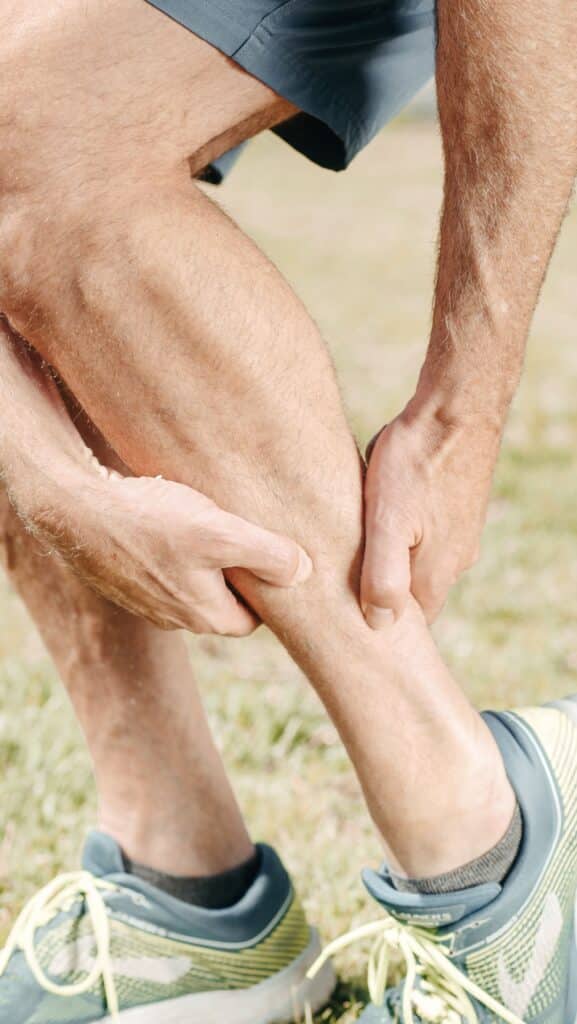
Have you ever got out of bed and felt like your body needs a few minutes to get moving? Or stood up after a long car journey or sitting at your desk and felt stiff and uncomfortable? Many people assume this means something is wrong: that a joint has “locked”, a muscle has tightened, or you’re getting more arthritic. But this is not always the case. In fact, stiffness can often be a normal response to how we use our bodies.

One of the biggest misconceptions is that feeling stiff always means something is physically tight or damaged. In reality, stiffness is a sensation created by a combination of factors, including how your muscles and joints are moving, how much activity your body is used to, and how your nervous system is responding to that movement.

Why do we feel stiff after being still?

Your body is designed to move regularly, but our bodies are also adaptable. If we spend a lot of time in one position or reduce our activity (e.g. when asleep, sitting at the desk, travelling, or relaxing on the sofa), our muscles and joints become accustomed to those demands. When we suddenly ask them to move further or do more, they may initially feel less comfortable or mobile. After a period of rest your joints and muscles have had less movement through their normal range, so your body is less prepared for sudden movement. 

As you start moving, your muscles warm up, your joints move through their available range, and your nervous system receives more information about movement, which can help the sensation of stiffness settle. This explains why the first few steps after getting out of bed can feel different from walking around 5-10 minutes later.

Woman stretching in bed

“If I feel stiff, I just need to stretch more”

Stretching can be a really useful tool and many people find it helps them feel more comfortable and mobile. However, stretching alone is not always the complete answer. A common pattern is that someone feels stiff, stretches the area that feels tight, gets some temporary relief, but then finds the same sensation returns later. This is because stiffness is not always caused by a muscle simply being “too short” or needing to be lengthened. Therefore a combination of regular movement (e.g. walking), mobility and stretching exercises, and strengthening exercises can be more effective than relying on stretching alone

What can help?

    • Change position regularly throughout the day: Aim to stand up every 30-45 minutes, even if its for a loo break or to pop the kettle on. You can even make small changes, such as standing up when making phone calls, or doing some seated stretches for mobility.
    • Keep well hydrated: This supports normal bodily function
    • Stay active: This helps to keep muscles strong and joints moving freer. A good starting point would be to go for 2x 10 minute walks per day, and gradually increasing this once you feel able.
    • Osteopathy: If stiffness is persistent, worsening, or it’s affecting your every day activities, an osteopathic assessment can help identify factors that maybe contributing to your symptoms. To book an osteopathy appointment click here.
    • GP: If stiffness is regularly lasting for a prolonged period after waking, particularly if it is accompanied by joint swelling, warmth, significant pain or other symptoms, it’s worth speaking to your GP. Your GP can assess your symptoms and decide whether any further investigations are appropriate.
    Woman walking whilst on the phone

    Feeling stiff after a period of rest doesn’t necessarily mean something is wrong or that your body needs “fixing”. Our bodies are adaptable, and giving them regular opportunities to move, stretch and strengthen can help us stay comfortable, mobile and better prepared for the things we want to do.

    PS: In case you missed it – Can Sound and Vibration Affect your Health?

    Can Sound and Vibration Affect Our Health?

    A lovely reader recently asked me whether certain sounds or vibrations are good for our health, and whether there are others we should try to avoid. It’s a brilliant question because it’s something many of us have probably wondered about. We all know that some sounds help us relax, while others leave us feeling frazzled, but why is that?

    Think about how a favourite song can lift your spirits, or how birdsong, waves or gentle rain can help you feel calmer. Equally, most of us know how draining constant traffic, loud neighbours or endless building work can be. Whenever we hear something, tiny vibrations travel through the air until they reach our ears. Our brains interpret those vibrations as music, speech, birdsong, or sometimes irritating noise!

    This is why in today’s blog we are exploring the relationship between vibration, sound and wellbeing. We’ll look at what the current research tells us, where the evidence is still evolving, and why the sounds that surround us may influence how we feel more than we realise.

    So, can sound affect our wellbeing?

    The simple answer is yes, but perhaps not always in the way we think.

    Research suggests that music and other pleasant sounds associated with nature can help many people feel more relaxed, lift their mood and reduce feelings of stress or anxiety. That’s one reason music is sometimes used in hospitals, care homes and other healthcare settings. However, when it comes to claims that one particular sound frequency has unique healing powers (such as 432 Hz or 528 Hz), there isn’t strong scientific evidence to support those claims. If you enjoy listening to these sounds and find them relaxing, that’s wonderful. It may simply be that taking time to pause, breathe and listen to something you enjoy is beneficial in itself.

    Rather than searching for one “magic frequency”, it may be more helpful to notice which sounds help you feel calmer, more focused or more at ease.

    Humming, singing… and your vagus nerve

    Have you ever caught yourself humming while cooking or singing along to the radio?

    Humming and singing naturally encourage slower, deeper breathing, helping activate the body’s natural relaxation response. They also create gentle vibrations around the throat and chest, and some researchers think these may contribute to the calming effects many people notice.

    If you’ve read my previous blog about the vagus nerve, you’ll know that slow breathing helps support our body’s natural “rest and digest” response. Humming or singing can be a simple, enjoyable way of encouraging that state, and the best part is it doesn’t matter whether or not you’re in tune!

    What about sound baths and relaxation apps?

    Sound baths, singing bowls and relaxation apps have become increasingly popular. Many people find them calming, and if you enjoy them, they can be a lovely way to make time for yourself. Although sound baths and singing bowls sound different to humming, it actually works in a similar way to singing by stimulating your vagus nerve to help you relax!

    In terms of apps, one I’ve experimented with is Healing Sounds (I’m not affiliated with it in any way!). It includes sounds linked to ‘delta, theta, alpha and beta brain waves’, which are real patterns of brain activity that scientists can measure. For example, delta brain waves are associated with deep sleep, while beta brain waves are linked with being awake and focused.

    Some apps are designed around the idea that certain sounds may gently encourage the brain towards different states, such as relaxation or focus. Scientists call this brainwave entrainment, and it’s an interesting area of research. At the moment, however, there isn’t strong scientific evidence to show that listening to specific sound frequencies reliably changes brain activity or produces particular health benefits.

    As long as we keep our expectations realistic there’s no harm in exploring what sounds helps us unwind. If you enjoy these sounds and they become part of a relaxing bedtime or mindfulness routine, they may be a helpful addition to your wellbeing toolkit. We all respond differently, so I’d genuinely love to hear your experiences if you’ve tried them.

    Are there sounds that aren’t so good for us?

    Yes! Long-term exposure to loud noise can damage hearing, while constant background noise may disturb sleep, increase stress and make it harder to concentrate. Although we can’t always control our surroundings, we can make small changes such as:

    • Turning off background TV or radio when it’s not needed.
    • Enjoying a few minutes of quiet each day.
    • Listening to music that helps you feel calm.
    • Wearing hearing protection when using loud DIY or gardening equipment.
    • Spending time outdoors and appreciating the sounds of nature.

    In summary

    There probably isn’t one particular frequency that’s been proven to heal us. What we do know is that the sounds we surround ourselves with can influence how we feel. Whether it’s humming while making a cup of tea, singing in the car, listening to your favourite music, enjoying birdsong on a walk, trying a sound bath or experimenting with a relaxation app, these small moments can help us pause, breathe and reconnect with ourselves.

    Can Stretching Help Ease Tightness Around the Lower Back and Pelvic Area?

    The answer is that it depends on the underlying cause, but there are a variety of gentle movements that some people find helpful when they experience feelings of stiffness or muscular tightness around the lower back and pelvis.

    In clinic, I often find that clients who spend a lot of time sitting at a desk, driving, or leading a predominantly sedentary lifestyle report feelings of stiffness around the hips, pelvis and lower back. Interestingly, people whose jobs involve repetitive movements, such as manual or physically demanding roles, can report similar feelings of tightness.

    This highlights an important point: both too little movement and too much of the same type of movement can sometimes contribute to feelings of stiffness and discomfort around the lower back and pelvic region.

    While stretching isn’t a cure-all, gentle movement can help some people feel more comfortable, improve confidence in movement, and temporarily reduce feelings of stiffness. The exercises below focus on areas that commonly influence comfort around the pelvis, including the hip flexors, gluteal muscles, lower back and surrounding tissues.

    As always, exercises should be performed within a comfortable range and should not significantly increase pain. If symptoms are persistent, worsening, or causing concern, it is important to seek appropriate healthcare advice.

    1. Pelvic Tilts

    Top image: neutral spine
Bottom image: flat back pelvic tilt
    • Lie on your back with your knees bent and feet flat on the floor. In this neutral position, the natural curve of your lower back will be slightly off the floor.
    • Create a flat back: Exhale and gently rock your hips toward your head. As you do this, you’ll feel your lower back flattening into the floor. Also draw your navel up and in towards your spine and keep it contracted around 50% (so you are able to breathe). If this is difficult to do, imagine you have a tail and you are trying to hide your tail between your legs.
    • Hold position for a couple breaths, then relax.
    • Repeat 10 times in a slow, controlled manner.

    2. Standing Hip Flexor Stretch

    Standing lunge hip flexor stretch with pelvic tilt
    • Stand in a staggered stance, with one foot in front of the other.
    • Keeping your chest upright, gently bend the front knee and shift your weight forwards (lunge position).
    • Create a ‘flat back’ by tilting your pelvis/tucking your tailbone in. 
    • You should feel a stretch at the front of the hip and upper thigh of the back leg.
    • Hold this position for a few breaths, then return to standing position.
    • Repeat on the other side.
    • Tip: Stretching the hip flexors is really handy if you’ve been sitting for a long time!

    3. Seated Figure-Four Stretch

    Seated figure-four stretch
    • Sit up straight with feet hip-width apart and feet flat on floor.
    • Bring one ankle over your opposite knee.
    • Hold your ankle in place with the opposite hand.
    • With your other hand gently push your bent leg down (just above the knee joint) until you feel a stretch in your hip/buttock/lower back.
    • To make the stretch stronger, keep your back straight then gently lean forwards.
    • Hold this position for a few slow, deep breaths.
    • Return to start position, then repeat on the other side.

    4. Cat-Cow Movement

    Above: Cow pose
Below: Cat pose
    • Start in Tabletop: Begin on your hands and knees in a neutral position. Align your wrists directly under your shoulders and your knees directly under your hips. Spread your fingers wide and keep a straight, flat back.
    • Cow Pose (Inhale): As you breathe in, let your belly drop toward the floor. Lift your chest and tailbone toward the ceiling, and gently gaze straight ahead.
    • Cat Pose (Exhale): As you breathe out, draw your navel toward your spine, tuck your tailbone, and round your back toward the ceiling (just like a stretching cat). Drop your head gently and look toward your hips.
    • Move comfortably between these positions for 8–10 repetitions.

    5. Child’s Pose (Wide, Narrow, and Side-Shift Options)

    Childs pose wide stance
    • Start on your hands and knees, then slowly sit your hips back towards your heels and reach your arms forwards.
    • You can adjust this position depending on what feels most comfortable:
      • Narrow stance: Keep your knees together or hip-width apart. This tends to create a more focused stretch through the lower back.
      • Wide stance (as shown in pic): Take your knees wider apart while keeping your big toes touching or feet apart. This variation can feel more open through the hips and pelvis.
      • Side-to-side variation: From child’s pose, gently walk your hands over to one side. This shifts the stretch into one side of the lower back and can help explore asymmetrical tightness. Hold for a few breaths, then slowly walk your hands to the other side.
    • Hold this position for several breaths.

    In Summary

    Stretching can be a useful way to temporarily ease feelings of tightness around the lower back and pelvis, but it is often only one piece of the puzzle. For many people, long-term improvements are best supported by a combination of regular movement, appropriate strengthening exercises, and lifestyle habits that encourage the body to move in a variety of ways throughout the day.

    If you’re looking for ideas on exercises that can help build strength around the hips and pelvis, take a look at my previous article on glute strengthening exercises.

    If you’d like personalised advice or support with ongoing stiffness or discomfort, osteopathic treatment may help as part of your wider management plan. To book an appointment, simply click here.

    How Long Should You Hold a Stretch?

    When it comes to stretching, most people focus on what area to stretch e.g calves, neck, spine, but far fewer think about how long to hold each stretch. Timing is one of the most important factors in whether stretching makes a difference to your flexibility. Different hold times affect different tissues in the body, so if you’ve ever felt like stretching doesn’t make much difference, adjusting the timing can change how effective your routine feels.

    Short Holds: Getting Things Moving (5–20 seconds)

    Short stretches are best thought of as preparation rather than change. Holding a position briefly can help increase circulation, wake the body up, and gently encourage movement through a joint. This makes them useful before activity, whether that’s light exercise, walking, or just starting your day. However, they don’t tend to improve flexibility or reduce longer-term stiffness in a meaningful way.

    Medium Holds: Working on Muscle (20–40 seconds)

    This is the type of stretching most people are familiar with. Holding a stretch for around 30 seconds gives your muscles time to relax and lengthen slightly, which can reduce the feeling of tightness. This is a good general approach for pre- and post-workouts. It mainly targets the muscle tissue itself, which is why it can feel helpful but doesn’t always resolve deeper or more persistent stiffness.

    Longer Holds: Allowing the Body to Settle (40-90 seconds)

    This zone is where stretching starts to become more effective for many people. Holding a position a little longer gives your nervous system time to stop signalling the muscle to tighten and allows the body to gradually let go of tension. You’re still working with muscle here, but in a more sustained way. This can be especially useful if you tend to feel generally tight or find that shorter stretches don’t seem to make much difference. I would recommend this length of time post-workout if you know certain muscles are prone to getting tight (e.g. for me I get tight hamstrings, so I would focus on holding stretches in this area for 40-90 seconds)

    Sustained Holds: Reaching the Deeper Tissues (90 seconds – 3+ minutes)

    When stretches are held for longer periods they begin to influence your fascia. Fascia is the connective tissue that surrounds and supports muscles and joints, and it plays a big role in how stiff or restricted the body feels. Unlike muscle, fascia responds best to slow, steady pressure over time. This is why slower, yin-style stretching can be particularly helpful for ongoing stiffness or a general lack of mobility. The aim here isn’t to stretch further, but to allow the body time to adapt. This means you should do the stretch at a comfortable intensity. If you have chronic pain it is likely you have fascial restrictions, so doing longer holds 3x per week should improve your flexibility and general tension over time. It also helps the body to ‘relax’, so if you are feeling stressed, doing these exercises with slow breathing can help you feel more grounded.

    Getting the Most Out of Your Stretching

    How you stretch matters just as much as how long you hold it. A lot of the frustration people feel with stretching comes down to a few simple habits that are easy to adjust.

    One of the most common is pushing too far into a stretch. It’s easy to assume that a deeper stretch will give a better result, but in reality the body often responds by tightening up to protect itself. This can actually limit the benefit. A better approach is to start at a gentle to moderate stretch, around a 3-5 out of 10 intensity level, and allow the stretching sensation to build gradually..

    Similarly, holding your breath or bracing in a position is usually a sign you’ve gone a bit too far. Stretching should feel sustainable. You should be able to breathe slowly and feel the body soften, especially if you’re holding the position for longer.

    The key idea is simple: stay comfortable, move slowly, and give your body time to respond. Matching the length of the stretch to your goal, whether that’s preparing to move or improving mobility, makes it much more effective.

    If you have any aches or pains and would like rehab advice tailored to your needs, book an appointment with us here.

    TMJ Disorder – How osteopathy can help your jaw pain

    For the past few years I have noticed more clients dealing with increased stress. Interestingly this has correlated with a rise of people suffering with jaw pain, also known as TMJ disorder. It is a condition I really like treating. Here I will explain what TMJ is, what symptoms to look out for and how osteopathy can help you.

    What is the TMJ?

    TMJ stands for temporomandibular joint, which is the joint that connects your jaw to your skull. TMJ disorder is when the joint itself or the muscles that help chewing are affected, which can cause pain or difficulty when opening or closing the jaw. There is also a nerve very close to the TMJ called the trigeminal nerve, which when aggravated can lead to facial pain.

    Anatomical picture of a skull, highlighting the temporomandibular joint, also known as TMJ.
    Location of the TMJ. Credit: Image by kjpargeter on Freepik

    What is the cause of TMJ disorders?

    It can be difficult to determine the exact cause of TMJ disorders in each person, and can be due to a combination of these factors:

    • Bruxism and stress: This is when a person excessively grinds or clenches their teeth. We may do this because we are stressed, or can be habitual.
    • Arthritis in the TMJ
    • Improper bite (e.g. over-bite or under-bite)
    • Injury
    • Dislocation of the TMJ

    Around 1 in 10 people in the UK have a jaw problem. TMJ disorders can affect anyone at any age, but it most commonly affects people between 20-40 years old, and women more than men.

    What are the signs and symptoms of TMJ disorder?

    You may experience any combination of the following:

    • Pain in or around your jaw
    • Clicking, popping or grinding of the jaw
    • Headaches
    • Pain referred into your ear, face, neck or shoulders
    • Pain or difficulty chewing – occasionally the jaw may lock
    • Your bite might feel ‘misaligned’

    If you have developed jaw pain it is a good idea to have a check-up with your dentist to rule out a dental cause e.g. cracked tooth affecting your bite. Once a dental cause is ruled out, I would recommend seeking osteopathy treatment if your jaw is painful or having an impact on your daily life, such as eating.

    An osteopath treating a woman's upper cervical spine.
    The upper neck is a common area of pain caused from the TMJ. Osteopaths often treat the neck to help your jaw pain.

    How can osteopathy help my jaw?

    I said earlier how I enjoy treating TMJ disorder, the reason being is how the jaw has close connections to the neck. Around 70% of the time TMJ disorder and neck pain co-exist together. Therefore to get the best outcome I will work both directly and indirectly to help your jaw. Treatment can include (but not limited to) any combination of the following:

    Direct treatment on TMJ:
    • Advanced massage technique to the jaw muscles
    • Improve joint movement of the TMJ 
    • Galbreath maneuvre – a technique that improves the drainage of the eustachian tube (which is very close to the TMJ), which can help ear and sinus pain.
    Indirect treatment:
    • Improving joint movement in the neck, shoulders, and mid-back
    • Working on tight muscles and trigger points (muscle knots) that are referring pain into your jaw and/or head.
    • Releasing pressure on your sinuses
    • Relaxing any tight muscles around your hyoid bone (front of the neck) – the muscles here connect up to the jaw and down to the collar bone and shoulder blade. They help with chewing and swallowing.
    Rehab exercises:
    • Go through self-massage techniques for the jaw
    • Provide jaw strengthening and stretching exercises
    • Give exercises to help neck, shoulders and back (a combination of stretch, strengthen and postural exercises)
    • Stress management advice.
    • General self-care advice

    How can I help myself in the meantime?

    Whilst you are waiting for your appointment here are some tips to try and help manage your pain:

    • Eat softer foods
    • Try smaller bites
    • Try a hot or cold compress for 15 mins (whichever is more comfortable for you, just make sure you have a cover on heat/ice pack)
    • Minimise wide jaw movements such as yawning.
    • Reduce stress and try and do an activity that relaxes you.

    What do I do next? 

    If you or someone you know has jaw pain and you would like to know more about how osteopathy can help you please get in touch by calling 07757 955097 or use the contact form. Alternatively if you are ready to book an appointment you can book online.

    PS: Have you read my last blog about sciatica?

    Published 10/02/2023

    Sciatica: A Pain in the Butt (Literally!) – 5 Facts You Need to Know

    In my last blog, we explored osteoarthritis and how to manage it. If you missed it, you can catch up here. Today, we’re diving into sciatica—a term many people hear but don’t fully understand. Sciatica symptoms vary widely, making it tricky to identify. This guide will help you recognize the signs and understand the causes.

    1. Sciatica Is a Symptom, Not a Diagnosis

    Sciatica isn’t a condition itself—it’s a way of describing pain along the sciatic nerve. A true diagnosis should explain why you have sciatica. If you’re told you have it, ask your healthcare provider: What’s causing it? (See point 4 for common causes.)

    2. Sciatica Can Affect Different Parts of the Body

    The sciatic nerve starts in the lower spine (L4-S3), runs through the buttocks, and extends down the back of each leg. Near the knee, it splits into two nerves:

    • Tibial nerve – Travels down the back of the calf (lower leg) and into the foot.
    • Common peroneal nerve – Runs along the outside of the lower leg.

    Symptoms can appear in any of these areas, or even multiple spots at once, including:

    • Lower back
    • Buttock
    • Back of the thigh
    • Calf (back or side)
    • Foot
    • Toes (especially the big toe)

    Interestingly, not everyone with sciatica has lower back pain!

    Sciatica can make your lower back painful, but not always.

    3. Sciatica Feels Different for Everyone

    Sciatica doesn’t always feel the same. Some people experience a dull ache, while others describe sharp, shooting pain, burning, tingling, or numbness. It can range from mildly annoying to severely debilitating. Typically, it affects one side of the body, but in rare cases, it can occur on both.

    4. There Are Many Causes—Most Aren’t Serious

    Sciatica is common and usually temporary. Here are some of the most frequent causes:

    • Piriformis syndrome – A tight or spasming piriformis muscle (deep in the buttock) can press on the sciatic nerve.
    • Disc herniation – A bulging disc may irritate the sciatic nerve roots. While it sounds alarming, most cases improve without surgery.
    • Degenerative disc disease – Common with ageing, this causes slight disc shrinkage, reducing space for the nerve. Many people find relief by leaning forward (e.g., using a shopping trolley).
    • Joint irritation – Inflammation in the spine or pelvis (facet joints or sacroiliac joint) can temporarily aggravate the nerve.

    Osteopathy is often effective in managing these conditions.

    In most circumstances osteopathy is an effective method in managing sciatica symptoms.

    5. Most Cases Aren’t an Emergency—But Watch for Red Flags

    Sciatica usually improves with a mixture of self-care manual therapy and advice. However, in rare cases, it can signal a serious medical issue. Seek immediate help (A&E) if you experience:

    • Sciatica symptoms in both legs simultaneously
    • Severe or worsening numbness/weakness in both legs
    • Numbness in the saddle region (inner thighs, genital, or anal area)
    • Difficulty urinating or loss of bowel/bladder control
    • Severe pain worsening at night
    • Major trauma (e.g., a fall or accident)

    Acting quickly in these situations can make a huge difference in recovery.


    Need Help?

    If you’re unsure about your symptoms or want advice on managing sciatica, I’m here to help. A consultation allows us to find the cause of your pain and create a treatment plan tailored to you. If necessary, I can also refer you for further medical evaluation. Book an appointment today to start feeling better!

    Published 21/12/2022

    Last updated 14/03/2025

    Osteoarthritis: How to stop your joints complaining!

    With World Arthritis Day approaching on 12th October, let’s talk about the most common type: osteoarthritis. Other arthritic conditions, like rheumatoid arthritis, will be covered in future posts.

    Osteoarthritis is a common condition that typically affects the over 45’s, potentially causing pain, stiffness, grinding and/or swelling in the joints. It can affect any joint in your body, but is most common in the spine, neck, hips, knees and hands.

    Osteoarthritis is a normal part of the ageing process. It was once thought to be simply ‘wear and tear,’ but research shows it’s more of a ‘wear and repair’ process. As cartilage wears down, the body attempts to heal and repair itself. It does this by triggering inflammation and, in some cases, forming new bone.

    Osteoarthritis symptoms often come and go rather than worsening steadily over time. This is because the ‘wear and repair’ process doesn’t happen constantly. Although inflammation helps our body heal, a common side effect of higher inflammation is increased pain and stiffness in the affected areas. This is why some days you may feel fine, and others your joints might remind you they exist with an extra creak or two.

    The management of osteoarthritis is similar for all joints (yes, even the small joints!)

    When your joints hurt, sitting still might seem like the best idea—but movement is your friend. A moderate level of general exercise such as walking is a great starting point. If a 30-minute walk is too long, try breaking it down to 2x 15-minute walks. Plus, regular activity helps with weight management, which takes pressure off weight-bearing joints like the hips and knees.

    Strength training is also beneficial. Strengthening the muscles around affected joints provides support, reducing strain and pain. Here at JOsteopathy I offer tailored exercise plans to help you move safely and effectively, at a pace that suits you. 

    Stretching is just as important as strengthening. It improves flexibility, keeps stiffness at bay, and helps you move more freely. I can guide you through the best stretches for your joints so you can stay limber, without feeling like a pretzel!

    Osteopathic treatment involves gentle joint mobilization techniques to improve the circulation and fluid within the joint, which helps the quality and range of movement in your joints – think of it as a tune-up for your joints! We also help take the pressure off the arthritic joint by working on surrounding muscles and joints too.  This makes everyday movement feel smoother, and feels like you have had a well-needed MOT!

    If pain becomes difficult to handle, your GP can recommend suitable pain relief options, such as pain medications and corticosteroid injections.

    If osteoarthritis is slowing you or your loved one down, let’s do something about it. Call me on 07757 955097 or book an appointment online. Let’s get you moving more comfortably—without the unnecessary creaks!

    Published 30/09/2022

    Last updated 15/03/2025